

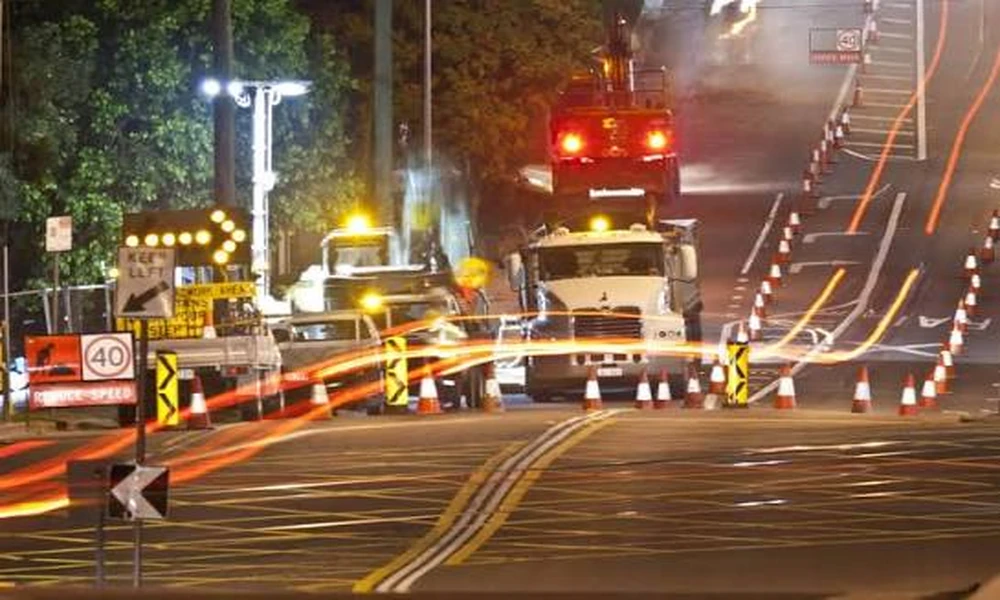
Blinking arrow boards on an empty freeway at 2 a.m. tell only part of the story. Behind every safe lane closure and detour, a complex web of challenges must be navigated. Nighttime roadwork traffic control is not just a matter of setting out cones after dark; it means recalibrating every element of the operation for safety, compliance, and efficiency under the most demanding conditions.
The Complexities of Nighttime Roadwork Traffic Control
Night is when cities try to heal themselves. Major repairs, utility upgrades, and infrastructure projects often shift to after-hours to keep daytime congestion in check. Yet, while traffic volumes drop, the hazards multiply. Crews face low visibility, unpredictable drivers, and shifting weather conditions. Every detail, from the timing of closures to coordination with emergency services, carries greater weight when daylight is gone.
Why Are Nighttime Operations Necessary?
Cities like Toronto deal with relentless daytime gridlock. Scheduling repairs at night eases the pressure on commuters and public transit, allowing contractors to move faster and finish sooner. Highways, arterial roads, and even dense urban streets all see overnight work, especially where daytime closures would paralyze critical routes.
How Do Nighttime Challenges Differ from Daytime Work?
Darkness brings its own set of obstacles. Drivers may be drowsier or less attentive. Work crews contend with glare from headlights, reduced depth perception, and the risk of being overlooked entirely. Managing these risks means more than doubling signage; it requires reengineering the entire work zone to account for limited sightlines and unpredictable driver behavior.
Case Example: Urban Road Repair in Toronto
Picture a downtown Toronto block with detoured streetcars and a last-minute watermain repair underway at midnight. Here, crew safety depends on more than reflective vests. It requires specialized lighting, coordinated pedestrian detours, and constant supervision to ensure every barrier and sign remains visible and compliant.
Designing Effective Nighttime Work Zones
No two nighttime closures are the same. Each one demands custom planning, especially under Ontario’s strict OTM Book 7 standards. Road classification, posted speeds, and exposure to pedestrians or cyclists are all factored in before a single barricade is placed.
What Goes into Custom Work Zone Planning?
Planners assess the site, identify high-risk zones, and create site-specific diagrams. Advance warning signs, buffer zones, and lane tapers are configured for the unique speeds and sightlines of night traffic. If an unexpected hazard appears mid-project, plans are adjusted, not ignored.
Where Do Safety, Efficiency, and Compliance Intersect?
The best plans protect workers and road users without causing unnecessary disruption. Compliance is non-negotiable, but efficiency matters too. Delays or confusion can trigger unsafe driver behaviors, especially at night.
Case Example: Multi-Lane Freeway Closure with TMAs
On a 400-series highway, a multi-lane closure requires truck-mounted attenuators (TMAs) at each point of entry, buffer zones sized for high-speed impacts, and signage visible from hundreds of meters away. Deviate from this plan and the risk to both workers and motorists escalates fast.
Managing Visibility and Safety in Low-Light Conditions
Lighting is not just about illuminating tools; it is about making every hazard, sign, and person visible to oncoming traffic.
How Are Lighting Towers Deployed?
Lighting towers are strategically placed to eliminate shadowy blind spots and reduce glare. Placement is vital: too much light blinds drivers, too little puts everyone at risk.
What Flagging Procedures Work Best at Night?
Certified flaggers use illuminated batons and position themselves where drivers can see them clearly, even at awkward angles. Night operations require a different rhythm, with frequent radio checks and constant adjustment to shifting traffic flows.
Case Example: Nighttime Utility Repairs with Certified Flaggers
A utility crew on a suburban arterial uses high-visibility PPE, two-way radios, and rotating flagger positions to keep both themselves and the public safe, adjusting as traffic patterns shift through the night.
Coordinating with Municipal Regulations and Noise Bylaws
Every overnight operation must comply with local noise restrictions and secure special permits. Failing to navigate these hurdles can halt a project before it begins.
How Are Noise Bylaws Navigated?
Project managers work with municipal officials to minimize noisier tasks during the most sensitive hours, adjusting schedules and methods to avoid violations.
What Does Communication with Authorities Look Like?
Coordination with police, transit, and local leaders is ongoing. Every road closure and detour must be communicated well in advance, with contingencies in place for emergency access and resident concerns.
Case Example: Overnight Road Closure Near Residential Areas
A planned overnight closure in a quiet neighborhood requires sound barriers, strict noise limits, and a standby supervisor to address complaints or enforcement visits on the spot.
Handling Pedestrian and Cyclist Safety After Dark
Urban projects rarely affect vehicles alone. Pedestrians, cyclists, and transit users all need safe, accessible detours that work as well at night as they do during the day.
How Are AODA-Compliant Routes Designed?
Temporary sidewalks, covered walkways, and clear wayfinding signage are installed to meet both provincial regulations and practical accessibility needs.
What Ensures Safe Cycling Detours?
Every detour is mapped to keep cyclists away from work areas while maintaining logical, direct routes whenever possible.
Case Example: Downtown Toronto Pedestrian Management at Night
In the heart of Toronto, detoured pedestrians use temporary crossings and clearly-lit signage to navigate safely, even with active heavy machinery nearby.
Real-Time Supervision and Adaptive Traffic Control
No plan survives the first hour untouched. Unexpected hazards, driver behavior, or changes in weather can force rapid adjustments.
What Role Do Traffic Supervisors Play?
Dedicated traffic supervisors conduct on-the-spot inspections, verify compliance, and have the authority to modify setups in real time. Their presence is often the difference between smooth operations and dangerous confusion.
How Are Unexpected Incidents Handled?
Constant monitoring, two-way radios, and clear escalation protocols mean problems are solved before they escalate.
Case Example: Multi-Phase Project with Dynamic Staging
A long-term project adjusts lane closures nightly as work progresses, with supervisors updating plans and signage to match the new conditions before crews return the next evening.
Equipment and Technology for Nighttime Traffic Control
The right equipment provides a final layer of protection and clarity.
What Technologies Make a Difference?
TMAs, high-intensity signage, and mobile light towers all improve safety. Radios and tablets help supervisors relay changes instantly.
Case Example: High-Speed Freeway Work Zone with Advanced Equipment
A major overnight repaving project uses TMAs at all closure points, digital message boards updated in real time, and GPS-tracked equipment to maintain precise compliance.
Lessons Learned and Best Practices from Ontario Projects
Experience breeds efficiency. Nighttime work in Ontario has revealed common pitfalls, and the most successful ways to avoid them.
Common Pitfalls to Avoid
– Inadequate lighting or poorly placed signage
– Underestimating noise impacts in residential areas
– Failing to update plans as conditions change
Strategies for Success
– Invest in real-time supervision
– Keep communication lines open with authorities and local communities
Firms with a strong grasp of Ontario’s regulations and on-the-ground realities, like Salus Traffic control management, set the standard for safe, efficient overnight roadwork. In a world where every night brings new challenges, expertise and adaptability make all the difference.