

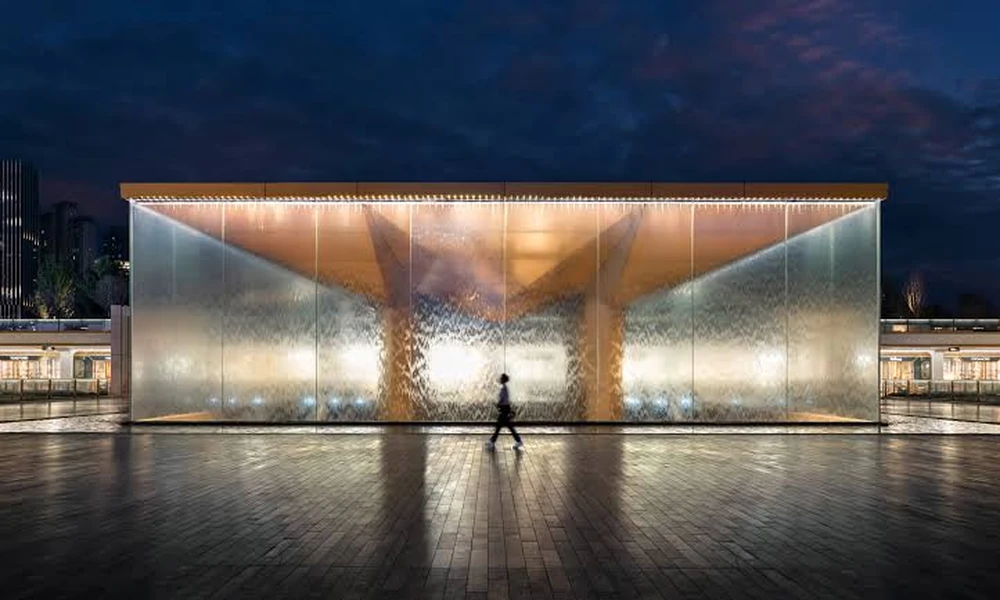
The architecture of retail spaces is changing faster than ever, reshaping not just how stores look but how we experience shopping itself. As consumer expectations climb and technology pushes boundaries, retail architecture steps into the spotlight, influencing everything from brand identity to community building.
The Shifting Landscape of Commercial Retail Architecture
Once, retail architecture meant little more than four walls and a branded sign. Now, it is a dynamic response to changing shopper habits and the digital revolution.
How Consumer Behavior Drives Design Evolution
The rise of e-commerce has not killed the physical store; it has redefined it. Shoppers now expect brick-and-mortar spaces to offer what online shopping cannot: immersive, memorable experiences. This shift has compelled architects to create environments that invite exploration, foster connection, and tell a story. Walk into a flagship retail store today, and you may find open-concept layouts, flexible zones for events, and areas designed for social sharing, features meant to keep people engaged long after checkout.
Technology’s Role in Shaping Retail Spaces
Retail architecture now seamlessly integrates digital touchpoints. Interactive displays, smart fitting rooms, and contactless payment stations are woven into the design, enhancing convenience without overshadowing the physical appeal. This fusion of digital and tactile ensures that retail spaces serve both tech-savvy shoppers and those seeking traditional interactions.
Case Study: Canadian Tire – Blending Functionality with Brand Identity
Canadian Tire’s retail spaces offer a lesson in marrying utility with branded experience. A visit reveals strategic zoning: automotive and hardware are set apart from home goods, while clear sightlines guide customers smoothly throughout.
Architectural Features Enhancing Customer Experience
Wide aisles, ample natural lighting, and intuitive signage make these stores welcoming and easy to navigate. Every element, from the floor materials to the façade, reinforces the brand’s promise of reliability and value.
Sustainable Design Elements and Operational Efficiency
Modern stores increasingly employ energy-efficient lighting, recycling stations, and optimized HVAC systems. These features not only lower operating costs but signal a commitment to sustainability, an attribute that matters to modern consumers.
Reimagining Shopping Centres: The Sportium and Sail Examples
Shopping centres are evolving from transactional hubs to lively community anchors. Sportium and Sail provide blueprints for this transformation.
Creating Community-Centric Spaces
Both feature spacious common areas, event zones, and cafés, encouraging people to linger and interact. This sense of community turns a shopping trip into a social experience, redefining the destination itself.
Integrating Mixed-Use Concepts and Flexible Layouts
Adaptable spaces that can host pop-ups, seasonal markets, or workshops serve to keep regular visitors engaged and attract new audiences. The ability to transform areas quickly aligns with ever-changing retail trends.
Specialty Retail Spaces: Starbucks and Nespresso’s Boutique Designs
Boutique stores like Starbucks and Nespresso demonstrate the power of intimate, highly curated environments.
Crafting Intimate, Experiential Environments
These stores focus on sensory elements: the aroma of coffee, the texture of furniture, and the warmth of lighting. Architects design each location to reflect local character while maintaining global brand standards.
The Impact of Store Design on Brand Loyalty
When customers feel a personal connection to a store’s environment, they are more likely to return. The careful choreography of layout, materials, and ambiance translates directly into loyalty and increased brand value.
Large-Scale Retail Environments: Real Canadian Superstore and Loblaws
Superstores present a distinct challenge: how to avoid overwhelming shoppers in massive spaces.
Balancing Scale with Shopper Navigation
Architects respond by segmenting stores into clear zones, incorporating visual cues for navigation, and using natural light to break up the vastness. These subtle interventions make the experience intuitive, not intimidating.
Incorporating Innovative Technologies for Convenience
Self-checkout kiosks, digital wayfinding, and online order pick-up points reflect a commitment to convenience. These technological integrations support both high-volume shopping and quick trips.
The Role of Architecture in Automobile Dealerships: YIG and Esso
Retail design principles extend beyond traditional stores, shaping even automobile dealerships.
Designing for Customer Trust and Transparency
Glass-walled showrooms, open service bays, and visible offices foster transparency. Customers appreciate environments where they can see operations and interact easily with staff.
Showroom Aesthetics vs. Functional Requirements
Dealerships must balance glossy, inviting aesthetics with the need for robust infrastructure. Materials are chosen for durability and easy maintenance without compromising on visual appeal.
Future Trends in Retail Architecture
So, what lies ahead?
Adaptive Reuse and Modular Construction
Retailers are increasingly turning to modular designs that allow rapid reconfiguration, as well as repurposing existing structures to reduce waste and costs. This adaptability helps businesses respond to shifting demands.
Embracing Sustainability and Smart Building Technologies
The future belongs to green roofs, solar panels, and smart energy management systems. These forward-looking solutions promise lower emissions and healthier environments, positioning retailers as leaders in sustainability.
Conclusion: Architecture as a Catalyst for Retail Transformation
From flagship superstores to specialty boutiques, architecture does more than house retail, it shapes every moment of the shopping journey. Lessons from leading projects by firms like Stendel + Reich retail architects show how thoughtful design can amplify brand identity, nurture community, and create spaces that resonate far beyond the sale. The stores of tomorrow will be defined not just by what they sell, but by the experiences they deliver, crafted, curated, and constantly evolving.