

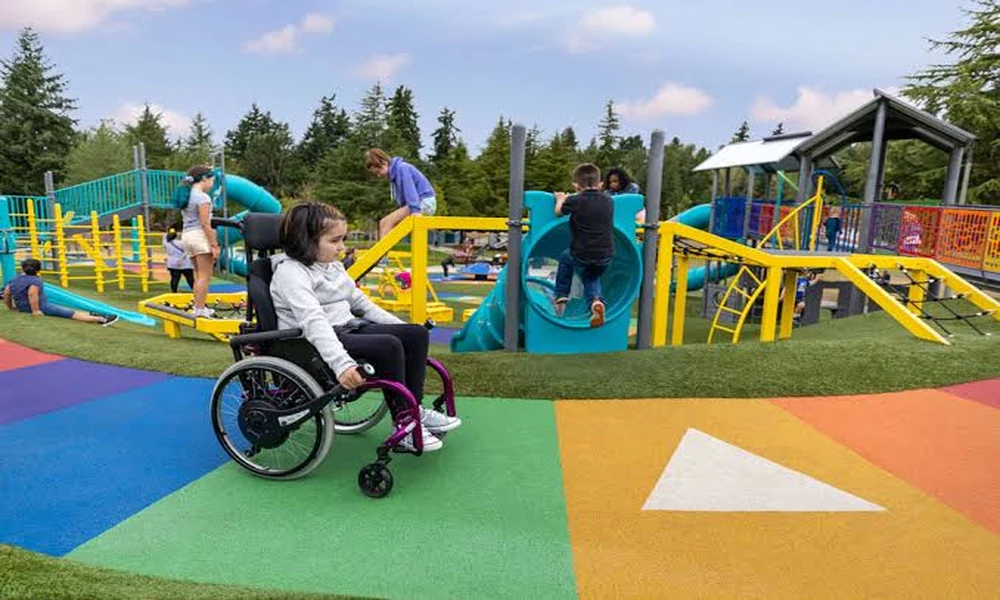
Picture a playground where laughter echoes from every corner and every child, regardless of ability, feels that they truly belong. Achieving this ideal demands more than just adding a ramp or two. Creating accessible commercial playgrounds is an evolving journey shaped by awareness, legislation, design innovation, and the lived experiences of community members.
Early Approaches to Playground Accessibility
Limited Awareness and Initial Design Challenges
The first generations of playgrounds often excluded children with disabilities. Narrow entryways, sand surfaces, and tall, inaccessible structures were the norm. For decades, little thought went into inclusive design, resulting in spaces where many children could only watch from the sidelines.
Early Compliance with Accessibility Laws and Standards
As disability rights movements gained momentum, early regulations started to appear. Laws such as the Americans with Disabilities Act (ADA) in the United States and similar statutes worldwide prompted a rethinking of public play spaces. Basic compliance ensured legal access but not always meaningful participation.
Evolution of Accessibility Standards in Commercial Playgrounds
Key Legal Milestones and Regulatory Frameworks
Governments began introducing broader accessibility measures in the late 20th and early 21st centuries. These set minimum requirements for path widths, ramp inclines, and transfer platforms for play equipment. Legal action and advocacy forced the industry to recognize that equity in play means more than checking boxes.
Influence of the Accessibility for Ontarians with Disabilities Act (AODA)
Ontario’s AODA set a new benchmark by requiring not just accessible routes, but also inclusive play elements and safety surfacing. For playground planners, this law shifted the focus to overall experience, not just access. Municipalities across Canada adopted these standards, raising the bar for everyone.
Emerging Global Guidelines and Best Practices
Best practices now go beyond the minimum. International groups and organizations publish evolving guidelines that address sensory needs, social inclusion, and cultural context. These recommendations continue to push playground design toward true universality.
Modern Design Principles for Accessible Playground Features
Universal Design vs. Adaptive Equipment
Universal design aims to make playgrounds usable by all children, without the need for adaptation or specialized equipment. Instead of separate “accessible” play items, universally designed features invite everyone. In contrast, adaptive equipment targets specific needs, such as swings with harnesses or wheelchair-accessible carousels. The best playgrounds often blend both, offering a mosaic of accessible experiences.
Inclusive Play Elements That Cater to Diverse Abilities
A truly inclusive playground offers:
– Sensory-rich elements (textured panels, musical instruments, tactile paths)
– Ground-level activities for wheelchair users
– Wide transfer platforms
– Visual and auditory cues for children with sensory processing differences
Safety Considerations and Risk Management
Safety is paramount. Accessible surfacing like poured-in-place rubber or engineered wood fiber minimizes injury risk and enables mobility aids. Guardrails, accessible signage, and carefully considered fall zones further ensure all children can play safely and confidently.
Material and Technology Advances Enhancing Accessibility
Durable, Non-Toxic, and Tactile Materials
Modern materials support both safety and sensory exploration. Non-toxic, durable plastics and metals withstand varied weather and heavy use, while tactile elements allow children to explore through touch.
Integration of Assistive Technologies and Sensory Features
Some playgrounds now feature assistive technology, such as interactive panels with auditory feedback or augmented reality games designed for a wide range of abilities. These innovations transform play into a truly inclusive adventure.
Site Planning and Environmental Factors
Surface Choices for Mobility and Safety
Traditional pea gravel or sand excludes many users. Accessible choices like rubber tiles, poured-in-place surfaces, and artificial turf ease navigation for wheelchairs and strollers while reducing slip hazards.
Layout Optimization for Easy Navigation and Social Interaction
Thoughtful layout encourages spontaneous interaction. Play zones should allow for clear lines of sight, gentle slopes, and looping paths for continuous movement. Spaces that combine active play with quieter areas promote inclusion for children who need sensory breaks.
Shade, Seating, and Rest Areas for Comfort and Inclusion
Play isn’t just about equipment. Ample shade protects everyone from the sun, while seating and rest areas invite caregivers and children to recharge, fostering a sense of community.
Community and Stakeholder Engagement in Planning
Involving Children, Caregivers, and Disability Advocates
No one understands accessibility needs better than those who experience them daily. Gathering input from children, parents, educators, and disability advocates ensures the playground reflects diverse voices and genuine needs.
Balancing Budget Constraints with Accessibility Goals
Budgets are often limited, but inclusive design does not always mean higher costs. Prioritizing universally beneficial features, leveraging grants, and phasing projects over time can help communities achieve their vision.
Future Trends in Accessible Commercial Playgrounds
Smart Playgrounds and Digital Interactivity
Technology is reshaping play. Smart features, such as Bluetooth-enabled panels or interactive games, support diverse abilities and encourage imaginative engagement.
Sustainability and Eco-Friendly Accessibility Solutions
Sustainable materials and solar-powered features are gaining ground, ensuring accessibility improvements have a minimal environmental footprint.
Anticipating Evolving Legal and Social Expectations
Accessibility standards will continue to progress. Forward-thinking playground planners stay ahead by monitoring legal updates and championing new best practices.
Practical Steps for Implementing Accessible Features
Assessing Existing Playground Limitations
Start with a thorough evaluation of current facilities. Identify barriers in surfacing, layouts, and equipment.
Selecting Appropriate Equipment and Materials
Choose features that address local needs and maximize universal access. Resources like Inspire Play commercial playgrounds offer examples and expert guidance for selecting equipment that checks every box for inclusivity.
Maintenance and Continuous Improvement Strategies
Accessibility is not a one-time achievement. Regular inspections, prompt repairs, and feedback channels ensure play spaces remain safe and welcoming for everyone.
A playground’s true success is measured not just by the joy it brings, but by how many children can join in. Thoughtful planning, community input, and the courage to innovate are key to making every commercial playground a place where no child feels left out.