

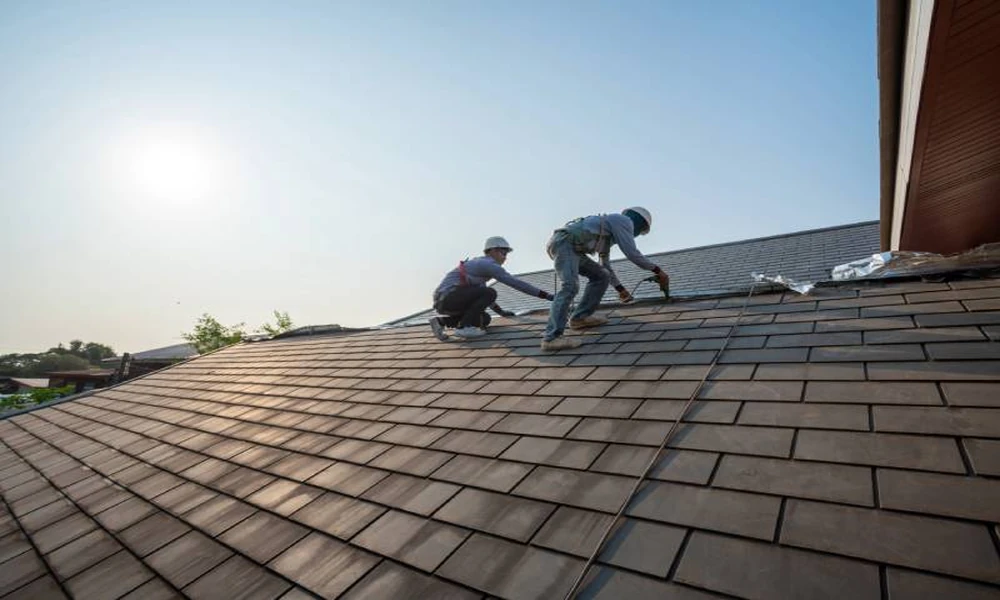
Phenix City does not have a single perfect roofing month. Spring brings the highest concentration of severe-weather concerns, summer combines heat and humidity with frequent afternoon thunderstorms, fall often provides more workable installation windows, and winter is comparatively mild but can still produce strong fronts and tornadoes. A homeowner planning replacement therefore benefits from looking at the entire calendar rather than assuming summer is automatically best or waiting until active leakage forces an emergency decision.
For homeowners considering roof replacement in Phoneix City Al, Great Roof serves Phenix City along with Auburn, Opelika, Smiths Station, Columbus, Georgia, and surrounding East Alabama and West Georgia communities. The company provides inspections, complete replacements, leak and storm repairs, emergency service, roof cleaning, and assistance with storm-related insurance documentation. Because the company also performs inspections and repairs, homeowners can first determine whether full replacement is warranted rather than treating age alone as the deciding factor.
January and February Are Planning Months With Storm Potential
Winter temperatures in central and eastern Alabama are generally much milder than those found farther north, so roofing work does not necessarily stop in January or February. What changes is the weather pattern.
The National Weather Service notes that Alabama’s more active tornado period extends broadly from November through May, with a stronger peak in March and April. Severe thunderstorms can also bring damaging straight-line winds and hail.
For homeowners, early winter is useful for inspection and budgeting before the spring storm peak.
- January: Check for missing shingles, loose flashing, staining in the attic, deteriorated pipe boots, and evidence of water entry after winter fronts.
- February: Obtain replacement estimates if the roof is already near the end of its service life. Waiting until widespread spring storms arrive can turn a planned project into an urgent one.
- Before scheduling: Review material availability, warranty terms, decking allowances, ventilation work, flashing replacement, and cleanup rather than comparing only the final price.
Cold weather can also affect asphalt-shingle sealing. Manufacturer instructions should therefore guide installation temperatures and sealing procedures whenever work occurs during cooler periods.
March and April Put Storm Readiness First
March and April deserve special attention in Phenix City because this is the heart of Alabama’s spring severe-weather season. The National Weather Service identifies March and April as a prominent tornado peak and also notes that damaging winds and large hail are common spring hazards.
That does not mean a roof cannot be replaced during spring. It means scheduling should account for shorter safe weather windows and the possibility that storms may interrupt work.
- March: Have an aging roof inspected before repeated storm systems move through the region. Pay particular attention to shingles that are already loose, brittle, cracked, or poorly sealed.
- April: After significant hail or wind, inspect before assuming that a few visible missing shingles represent the entire problem.
- After a storm: Photograph exterior and interior conditions before temporary repairs where safely possible. Documentation can be useful if an insurance claim is later considered.
- Before replacing: Separate storm damage from long-term deterioration. Insurance policies generally treat those causes differently.
Spring replacement can be worthwhile when existing roofing is vulnerable, but exposed decking should not be left open when thunderstorms are likely. Contractors typically plan tear-off around reliable weather forecasts and manageable daily work sections.
May Begins the Transition Toward Heat Management
By May, severe storms remain possible while temperatures and humidity begin climbing. Roofing decisions increasingly involve both weather protection and attic heat management.
A replacement project provides an opportunity to inspect ventilation rather than simply covering the roof with new shingles.
- Early May: Check soffit intake vents for blockage from insulation, paint, debris, or previous remodeling.
- Mid-May: Review ridge, box, or other exhaust ventilation to determine whether the attic system is balanced.
- Late May: Look at roof color, shingle specifications, and attic insulation together instead of expecting one product choice to solve summer heat issues.
Poor airflow can trap heat and moisture in an attic. The roofing material, insulation, air sealing, and ventilation system therefore need to function together.
June Through August Bring Heat, Humidity, and Pop-Up Storms
Summer roofing in Phenix City presents a different challenge. Alabama experiences long, hot summers with persistent humidity, and the National Weather Service describes summer rainfall across central Alabama as being dominated by scattered afternoon and evening thunderstorms.
These months can provide long daylight hours for installation, but they also demand careful scheduling.
- June: Morning tear-off and installation can take advantage of cooler hours before afternoon storm chances increase.
- July: Roof-surface temperatures can become considerably hotter than the surrounding air, affecting both worker safety and material handling.
- August: Continue watching for short-duration heavy rain, wind, and tropical moisture that can quickly change an otherwise workable forecast.
Summer also exposes weak roofing details quickly. Persistent humidity and rainfall can reveal flashing defects, poorly sealed penetrations, clogged drainage paths, or decking already weakened by previous leaks.
Homeowners should avoid treating visible algae streaking or roof discoloration as automatic evidence that replacement is necessary. Appearance, shingle condition, granule retention, leak history, flashing, and deck integrity should all be evaluated together.
September and October Can Offer Useful Replacement Windows
Early fall can be one of the more practical periods for planned roofing work in East Alabama. Extreme summer heat begins easing, yet prolonged winter cold is not a major issue.
That does not make fall weather risk-free. Tropical systems and thunderstorms can still affect Alabama, so forecasting remains important.
- September: Inspect roofs that went through a difficult summer, particularly around valleys, penetrations, ridge caps, and previous repair areas.
- October: Consider completing planned replacement before the later fall severe-weather cycle becomes more active.
- During either month: Clean gutters and downspouts so the new roof’s drainage system can move water away efficiently.
Fall is also a sensible time to correct decking or ventilation deficiencies discovered during tear-off because the work is being completed before another full year of heat and severe-weather exposure.
November and December Start the Cycle Again
Alabama’s severe-weather calendar does not end after spring. The National Weather Service notes that tornado activity is concentrated broadly from November through May, so late fall and early winter storms should not be dismissed simply because temperatures have cooled.
- November: Inspect after strong frontal systems, especially when high winds or hail have been reported nearby.
- December: Check attic spaces for moisture staining after heavy rainfall and review any repairs that were postponed earlier in the year.
- Before year-end: If replacement is likely within the next several months, confirm material selections and contractor availability rather than waiting for the next storm.
The calendar then returns to January with a clearer understanding of whether the roof needs maintenance, selective repair, or complete replacement.
Permits and Codes Should Be Checked Before Work Begins
Timing a replacement also requires attention to local requirements. Phenix City’s Building Department currently enforces the 2021 International Residential Code with Alabama Residential Building and Energy Code amendments. The city adopted that code framework effective August 1, 2023.
The city’s building permit application specifically lists “reroof” as a class of work, while its residential permit guidance explains contractor licensing and other submission requirements. A general contractor performing applicable residential work must hold the required Alabama Home Builder license and a City of Phenix City business license.
That makes permit confirmation part of preconstruction planning rather than an afterthought. Requirements can depend on the precise scope, location, structural changes, and jurisdiction, so homeowners should confirm the applicable procedure with the Building Department before work starts.
The best replacement season in Phenix City is ultimately determined by roof condition more than the calendar. A sound but aging roof can often be scheduled for a favorable fall or winter window. A roof with active leaks, widespread wind damage, deteriorated decking, or repeated failures may not have the luxury of waiting several months.
Planning month by month still has value. Winter creates time for assessment, spring emphasizes storm readiness, summer tests heat and moisture performance, and fall often offers a practical opportunity for planned work. Using that cycle allows replacement to become a deliberate maintenance decision instead of an emergency response to the next severe storm.