

You can know this appointment matters and still feel uneasy about it. A lot of parents picture tears, fear, and a child who clamps their mouth shut the second they see the chair. If your baby or toddler has never been to a dentist, the unknown can feel bigger than the visit itself, especially when searching for a kids dentist in Killeen. You are not overthinking it. You are trying to do the right thing before a small concern turns into a bigger one.
The good news is that a first dental visit for kids is usually much gentler than parents expect. A pediatric dentist is trained to read a child’s mood, move at a child’s pace, and turn a new experience into one that feels safe. The first visit is often short, simple, and focused on prevention. It gives you answers about teething, brushing, feeding habits, and early signs of tooth decay before they become painful or expensive problems.
Pediatric dentists are trained to lower stress from the moment your child arrives
A regular dental office can feel overwhelming to a small child. New sounds, bright lights, and unfamiliar faces can trigger fear fast. A pediatric dentist builds the visit around that reality. The language is simpler. The pace is slower. The team usually expects wiggles, shyness, and a short attention span, so they do not treat those things like bad behavior.
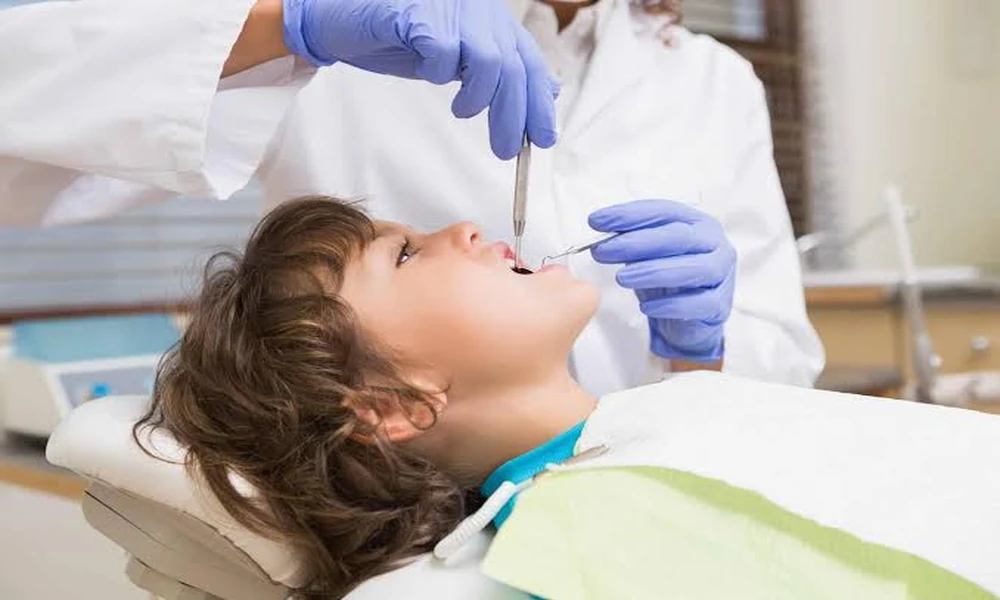
That changes everything. When a dentist kneels to your child’s level, shows the mirror before using it, and counts teeth instead of rushing into a full cleaning, your child gets a chance to settle. Many first visits involve a lap exam, where your child sits with you while the dentist looks at the teeth and gums. That setup alone can ease a lot of tension because your child still feels anchored to you.
Parents often worry they waited too long, or that a few missed brushing nights have already caused damage. Shame has no place here. Pediatric dentists see real family life every day. Teething disrupts sleep. Toddlers fight routines. Sippy cups become habits before anyone notices. The point of the first visit is not to judge you. It is to catch small issues early and help you build routines that work at home.
According to the American Academy of Pediatrics, oral care starts earlier than many families realize. Their guidance on starting oral health habits early explains why baby teeth need care from the start, not only once a child is old enough to brush alone.
Your child’s first dental appointment helps prevent problems that grow quietly
Early tooth decay does not always look dramatic at first. It can begin as faint white spots along the gumline, or as changes you only notice when your child becomes sensitive to cold foods or starts avoiding one side of the mouth. A child can have discomfort long before they have the words to explain it. That is one reason your child’s first dental appointment matters so much.
Small children are also more likely to absorb stress from the adults around them. If you walk in expecting a battle, your child may sense it before the exam even starts. Pediatric dentists work with that dynamic too. They often coach parents to keep explanations short, avoid promising there will be “nothing scary,” and use calm, plain words. That sounds minor until you see how much a child relaxes when the adults around them stop bracing for disaster.
Home care questions usually come up fast once the visit begins. Is thumb sucking still okay. What toothpaste should you use. How much is too much juice. If your child is teething, you may also be juggling swollen gums, drooling, sleep loss, and chewing on everything in sight. The American Academy of Pediatrics offers helpful guidance on teething and dental hygiene, which can make those early months feel less confusing.
The first pediatric dentist visit is usually simpler than parents expect
Many first visits are more about observation and education than treatment. The dentist checks how the teeth are coming in, looks at the bite, examines the gums, and watches for early decay or feeding related wear. You may talk about brushing technique, fluoride, pacifier use, and bedtime habits. If your child is comfortable, there may be a light cleaning. If not, the dentist may keep it brief and build trust first.
| What parents fear | What usually happens at a pediatric dentist visit |
|---|---|
| A long, upsetting appointment | A short first visit focused on comfort, screening, and parent guidance |
| My child will have to sit alone | Many young children stay with a parent, often during a lap exam |
| The dentist will judge our routines | The visit centers on prevention, practical tips, and small changes that fit real life |
| If there is a problem, it will mean major treatment | Early checks often catch issues when they are easier and less costly to address |
If you want a simple home reference between visits, the National Institute of Dental and Craniofacial Research provides a clear guide to a healthy mouth for baby. It covers cleaning, feeding habits, and early dental care in a way that feels manageable.
Three steps can make your child’s first dental visit smoother
Keep your description short and calm. Tell your child the dentist will count their teeth and make sure their mouth is healthy. Avoid adding extra detail that can create fear. Young children do better with simple, steady language.
Schedule around your child’s best time of day. A tired, hungry toddler has less patience for anything new. Morning appointments often work better for younger children because they are more rested and less overstimulated.
Bring comfort, not pressure. Pack a favorite toy, blanket, or cup if it helps your child settle. Praise cooperation, not perfection. If your child cries a little, that does not mean the visit failed. It means your child is learning something new, and a good pediatric dental team knows how to work with that.
Early dental care builds comfort that lasts beyond the first visit
The first appointment is not about getting everything perfect in one day. It is about giving your child a safe start with a pediatric dentist, catching concerns early, and helping you feel less alone in the process. Most parents leave with more relief than worry because the visit turns a vague fear into a clear plan.
If your child is due for their first dental checkup, taking that first step now can make future visits easier, calmer, and far less stressful for both of you.