

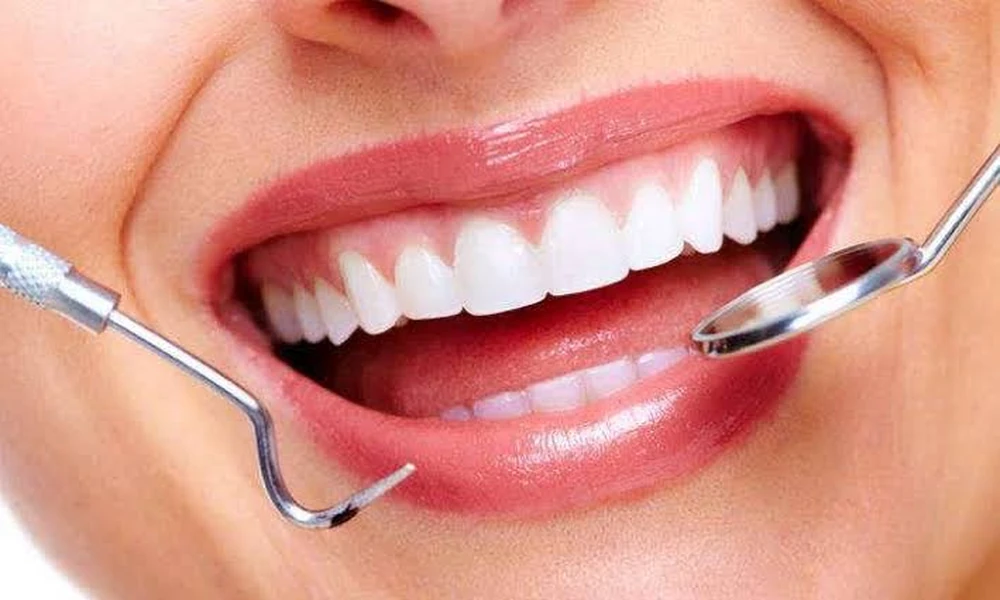
You may be looking in the mirror at one tooth that feels a little too long, a canine that looks too sharp, or edges that seem uneven in photos. It can feel like a small thing until you notice it every day. That is usually when people start asking about reshaping healthy teeth. The idea sounds simple, but once enamel is removed, it does not grow back. That is why careful dentists slow the process down, even when the change you want seems minor, and some practices also strive to give your child a positive dental experience in Chicago.
Cosmetic contouring can work well for the right person, but it is not a casual fix. A dentist weighs tooth structure, bite, sensitivity, long term wear, and whether another option would protect more of your natural tooth. A good family and cosmetic dentist is not just asking whether reshaping can be done. They are asking whether it should be done.
Enamel Thickness Decides What Is Safely Possible
Enamel is the hard outer layer of your tooth, and there is only so much of it to work with. If the enamel is thick enough in the area being treated, a dentist may be able to smooth a rough edge or shorten a small point. If it is already thin, reshaping can expose deeper layers and increase sensitivity or raise the risk of damage later.
This is where patients often feel frustrated. The change they want may look tiny, but the margin for error is tiny too. According to MedlinePlus dental health resources, protecting enamel is central to long term oral health. Once it is removed, the goal shifts from prevention to management.
Your Bite Matters More Than the Mirror View
A tooth does not work alone. Your upper and lower teeth meet in a pattern, and even a small adjustment can change how force moves through your bite. If you grind your teeth, clench at night, or already have jaw strain, reshaping one edge may create a new pressure point somewhere else.
This is one of the main reasons dentists study function before cosmetics. A front tooth may look slightly uneven, but if it is helping guide your bite, changing it without planning can lead to chipping or soreness. When people search for tooth reshaping considerations, this is often the part they did not expect.
Tooth Sensitivity and Nerve Health Affect the Plan
Some healthy teeth are more reactive than they appear. A history of cold sensitivity, gum recession, cracks, or large nearby fillings can change the risk. The tooth may be alive and healthy, but still not be a good candidate for enamel reduction.
That matters because sensitivity is not always immediate. A tooth can feel fine at first, then become reactive weeks later when temperature changes or bite pressure reveal a problem. Dentists try to avoid that by looking beyond the cosmetic goal and checking the full health of the tooth.
Existing Wear Patterns Can Turn a Small Fix Into a Bigger Risk
If your teeth already show flattening, chipping, or edge wear, reshaping may remove structure your mouth is relying on. This is common in people who grind in their sleep and do not realize it. The tooth that looks too long may actually be the one that has worn down less than the others.
National oral health data continues to show how common wear, decay, and untreated dental issues are across age groups. The broader picture in the Oral Health in America report supports a careful approach before altering sound tooth structure.
Cosmetic Goals Need to Match Tooth Proportions and Facial Balance
People often come in asking to fix one tooth, but the real issue is proportion. A dentist may see that the edge is not the problem at all. The tooth beside it may be rotated, shorter from wear, or framed by uneven gum tissue. If you reshape the healthy tooth without seeing the full picture, the result can look off even if the technical work is clean.
This is where a skilled cosmetic tooth reshaping plan protects you from chasing the wrong fix. Sometimes the best answer is minor bonding, whitening first, or no treatment at all.
Age, Habits, and Long Term Durability Shape the Decision
A teenager with developing bite patterns is different from an adult with stable wear. A person who opens packages with their teeth, chews ice, or grinds at night puts more stress on every enamel edge. Dentists consider your habits because reshaping is permanent, and a small cosmetic change has to survive daily life.
Research on esthetic dentistry and conservative treatment planning keeps pointing in the same direction. Preserving natural structure usually gives the most stable long term result. One review in PubMed Central discusses how minimally invasive approaches help balance appearance with tissue preservation.
Other Treatments May Solve the Problem With Less Enamel Loss
Reshaping is only one tool. If the tooth needs more than a subtle adjustment, bonding may add shape without removing much structure. Orthodontic treatment may correct the position causing the visual problem. Whitening may make uneven edges less noticeable than you expected. A general dentist may also recommend monitoring instead of treating if the concern is mild.
| Option | Best For | Main Benefit | Main Tradeoff |
|---|---|---|---|
| Enamel reshaping | Small chips, slight length differences, minor edge refinement | Quick and conservative when carefully selected | Permanent enamel removal |
| Dental bonding | Shape changes, small gaps, worn corners | Adds material instead of removing much tooth | May stain or need repair over time |
| Orthodontics | Teeth that look uneven because of position | Corrects alignment and bite | Takes longer and costs more upfront |
| No treatment yet | Mild cosmetic concerns with higher risk factors | Protects natural structure | Appearance stays the same for now |
Three Steps to Take Before You Reshape a Healthy Tooth
Get a bite and wear evaluation. Ask your dentist to check for grinding, clenching, cracks, and contact points before any enamel is removed. A tooth that seems uneven may be part of a larger wear pattern.
Ask what can be reversed and what cannot. Reshaping is permanent. Bonding and orthodontic options may offer more flexibility. You need to know which changes leave room to adjust later.
Request a conservative plan. Ask your dentist to explain the smallest change that could meet your goal. If the plan sounds aggressive for a minor cosmetic issue, get a second opinion from a family and cosmetic dentist.
A Good Cosmetic Result Starts With Restraint
The best dental work often looks easy because it was carefully limited. If you are thinking about the 7 Factors Dentists Consider Before Reshaping Healthy Teeth, the main takeaway is simple. Healthy teeth deserve caution. A subtle improvement can be worth it, but only when the enamel, bite, and long term function support that choice.
If you are considering a cosmetic change, schedule a consultation and ask for a conservative evaluation of your options. The right plan should make your smile feel more like you, not leave you managing a preventable problem later.