

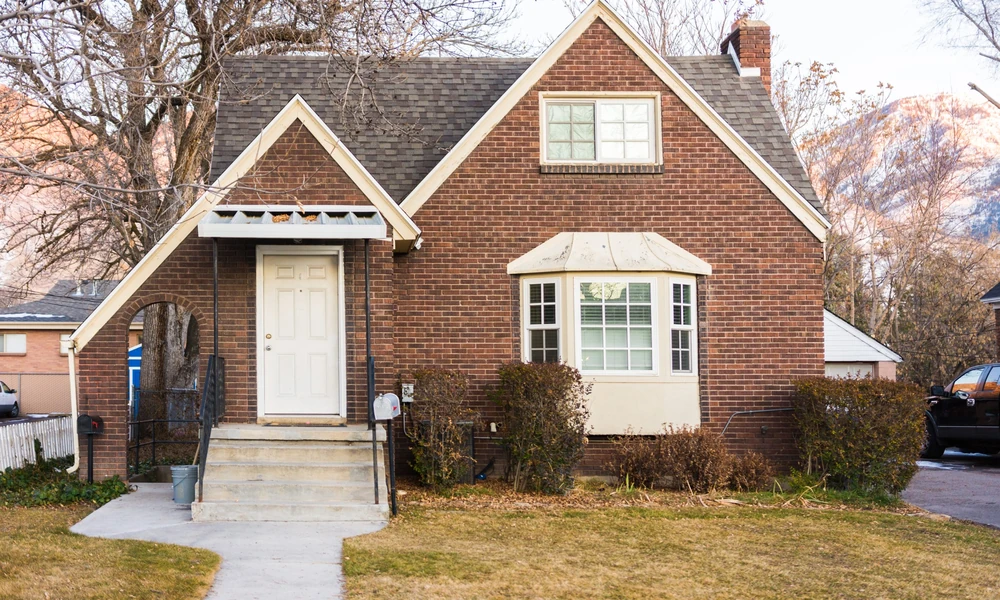
Two things are true about my 1928 foursquare house: the woodwork is gorgeous, and the basement has hosted more wildlife than a state park. In eleven years of ownership I have evicted mice, ants, a raccoon the size of a carry-on bag, and one very determined groundhog. The house was not poorly built. It was built for a world without modern sealants, and that is the whole problem in a sentence.
If you live in a pre-war house anywhere in the Midwest, you are not imagining the pest pressure. Older homes leak air and moisture in dozens of places, and pests are opportunists that read those leaks like an open invitation. When winter does its usual back-and-forth and the mice show up early, plenty of neighbors around here call for a Trusted exterminator in Troy, Ohio rather than guessing at traps. Prevention still comes first. Here is how to actually do it.
Old Bones and Open Doors
Every old house I have seen shares a set of structural habits that pests adore.
- Balloon framing and open cavities. Studs in pre-1940 homes run floor to roof with no blocking in between, so insects and mice travel your walls like a hotel hallway.
- Poured stone and brick foundations. Lime mortar shrinks and crumbles over decades, leaving gaps that read as highway entrances.
- Wood siding and deep soffits. Both are classic entry points for wasps and rodents once paint or caulking fails.
- Unlined crawlspaces. Dirt floors hold moisture that attracts every pest in the neighborhood.
The reader I love most in this crowd is the one who shrugs and says old houses just have bugs. No, old houses have gaps, and gaps are fixable. Once you find the actual openings, an old house becomes a normal house.
Why Our Soil and Weather Make It Worse
There is a regional piece here that matters more than most people realize. The Midwest historically supports some of the most productive agricultural land in the country, and the natural ecosystems around that farmland have been built over for a couple of centuries. Animals that once nested in fields and hedge rows nest in garages, soffits, and chimney caps instead.
Then there is the groundwater side of it. According to the State of Ohio, underground water storage across the state is measured in hundreds of trillions of gallons, and that saturation, combined with the wet end of spring, keeps basements and crawlspaces damp well into June.
Add the freeze-thaw cycle of our winters, which opens cracks in masonry like a slow crowbar, and you get a building envelope that is basically a screen door by the time April rolls around. I will die on this hill: if you waterproof a Midwest basement properly, you eliminate more pest habitat than any spray program can touch.
Does a Cold Winter Kill Off the Bugs?
Every January someone tells me the freeze will do the pests in. It never does. Winter knocks back exposed activity above the frost line, but insects and rodents go dormant, burrow deeper, or head inside exactly when the first cold snap hits. That is why late fall is the real pest season in a place like Miami County. Everyone notices the mice in January, but they moved in during October.
Your defense window is September through November, when you seal, sweep, and exclude before the animals need a plan B. There is a useful regional argument for this approach too: according to the National Oceanic and Atmospheric Administration, weather forecast models have become far more accurate in recent decades, so we get reliable 10-day warnings about cold fronts now. Watch the first freeze forecast and treat the week before it as your move-in deadline, not your reminder.
The Exterior Sweep: A Four-Step Fall Routine
Here is the exact routine I run at the old house, ideally in one Saturday afternoon in early October.
- Find and seal openings. Walk the foundation with work gloves and a flashlight, looking for gaps the size of a pencil or larger, specifically around utility lines and sill plates. Stuff steel wool into irregular cracks and follow with exterior-grade silicone or mortar.
- Cut the vegetation bridge. Trim shrubs and mulch back 12 to 18 inches from the siding, and get tree limbs off the roof line. Branches and heavy mulch are pest ladders.
- Deal with the moisture. Clean gutters, check that downspouts dump well away from the foundation, and run a dehumidifier in the crawlspace or basement. Dry and uninviting beats sprayed and damp.
- Store smart. Tight lids on birdseed, pet food, and trash. Nothing teaches you pest respect faster than a mouse carrying off your dog’s kibble.
Caulk your gaps, sweep your mulch, run your dehumidifier, and keep your food sealed, in that order. I would pick sealing over trapping ten times out of ten, because a trap collects one animal and a caulk gun closes the business entirely. A traditional pest control company in Troy or Dayton typically seals, sprays, and monitors interior activity as a package, which is a normal arrangement, and it is still worth putting your own caulking routine on the fall calendar regardless of who you hire.
Interior Habits That Make or Break the Effort
Inside, the rules are shorter. Keep the kitchen crumbs away from the toaster and the cat bowl, and you remove most of the menu that ants and roaches come for. As for chemical safety, the U.S. Environmental Protection Agency regulates all pesticides sold in the United States, so read labels and use products, including baits and edgers, exactly as directed.
One more habit: when you spot droppings, gnaw marks, or shed wings, photograph the evidence before you clean it up. That photo tells a professional what came in, where it got in, and how long it has been there, and it takes you about eight seconds to take.
When the House Is Winning
Some signs mean a real infestation rather than a one-time visit, and calling a professional is cheaper than the damage. If you see a half-inch of chewed wood, droppings in every kitchen drawer, or reuse of a nest, the mice have established highways inside the walls and no amount of hardware store caulk will fix it.
This is also where a friend once taught me a trick worth keeping: date every trap site with tape and a marker. Logging catches day by day locates the actual entry corridor within a week or two, which is what a professional will ask you for anyway. Call it the Entry Corridor Log. It is mine, but it works.
Match the response to the problem. Sealing and moisture control are lifetime habits you own because they prevent 90 percent of arrivals. Exclusion alone is worth every dollar even if a company does the work. If you are facing an active, established infestation inside the walls, in a restaurant, in a clinic, that is a different job and worth doing right the first time.
You can stop most of this yourself, honestly, and I want you to try. Pick your date this October, walk the foundation with a flashlight, and tape a note to the basement door. No old house is pest-proof, but yours is closer to sealed than it was this morning, and you just have to prove it.